



What Is Postpartum Depression? A Guide to Maternal Mental Health

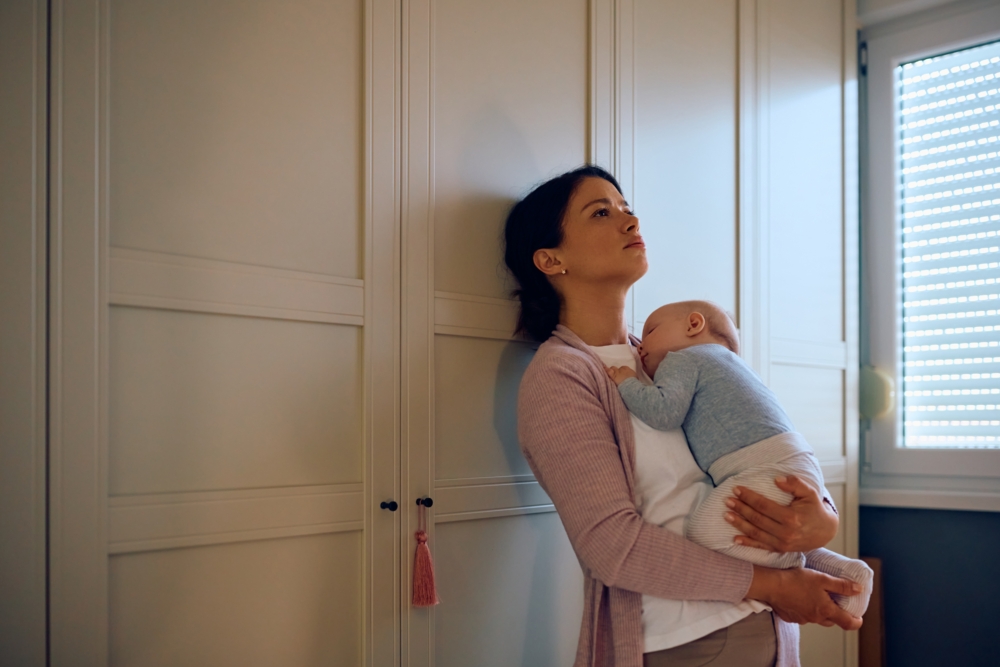
Welcoming a new baby is often described as one of life’s most joyful experiences. Alongside the excitement and love that come with becoming a parent, many individuals also experience emotional and mental health challenges during pregnancy and after childbirth.
Postpartum depression is one of the most common maternal mental health conditions, yet it is still widely misunderstood. Learning about postpartum depression and maternal mental health can help families recognize when support may be needed and remind parents that they are not alone.
What Is Postpartum Depression?
Postpartum depression (PPD) is a form of depression that can occur after childbirth. It may begin during pregnancy or develop in the weeks or months after a baby is born. Medical experts often refer to this broader timeframe as perinatal depression, which includes both prenatal and postpartum depression.
Postpartum depression is more than the “baby blues,” which many parents experience shortly after giving birth. While baby blues typically resolve within a couple of weeks, postpartum depression can last longer and may require additional support or treatment.
In the United States, about 1 in 8 women experience symptoms of postpartum depression after giving birth, making it one of the most common complications associated with childbirth.
Postpartum depression can affect birth parents, adoptive parents, and partners. In fact, 1 in 10 fathers experience postpartum depression, highlighting that maternal mental health challenges can impact the entire family.
Signs and Symptoms of Postpartum Depression
Postpartum depression can look different for every person. Some parents experience emotional changes gradually, while others notice symptoms more suddenly.
Common signs may include:
- Persistent sadness or feelings of hopelessness
- Frequent crying or emotional overwhelm
- Difficulty sleeping or extreme fatigue
- Anxiety, worry, or irritability
- Trouble bonding with the baby
- Feelings of guilt, shame, or inadequacy
- Loss of interest in activities once enjoyed
These feelings do not mean someone is a bad parent. Postpartum depression is a medical condition that can happen to anyone navigating the physical, emotional, and life changes that come with parenthood.
Why Maternal Mental Health Matters
Maternal mental health refers to emotional and psychological well-being during pregnancy and throughout the postpartum period. This period can extend up to 18–24 months after childbirth, as parents adjust to new responsibilities, hormonal changes, and lifestyle shifts.
Each year, hundreds of thousands of pregnant individuals in the United States experience a mental health condition during pregnancy or postpartum, yet many never receive treatment or support.
Supporting maternal mental health benefits not only the parent but also the child, family, and broader community. When parents have access to mental health resources, education, and supportive networks, families are better equipped to navigate the challenges of early parenthood.
Risk Factors for Postpartum Depression
Postpartum depression can affect anyone, but certain factors may increase the likelihood of experiencing symptoms. These may include:
- A history of depression or anxiety
- Lack of social support
- Financial stress or major life changes
- Complications during pregnancy or childbirth
- Sleep deprivation and physical recovery after birth
- Prior trauma or adverse childhood experiences
Recognizing these risk factors can help families and healthcare providers take proactive steps to support mental health before and after a baby is born.
Finding Support for Maternal Mental Health
Experiencing postpartum depression can feel isolating, but support is available. Many parents benefit from:
- Talking with a healthcare provider or mental health professional
- Joining support groups with other parents who understand similar experiences
- Connecting with community organizations focused on maternal mental health
- Building a trusted support network of family and friends
Treatment options may include counseling, therapy, medication, or a combination of approaches depending on individual needs.
Support Is Available
No one should have to navigate postpartum depression or maternal mental health challenges alone. Awareness, education, and supportive resources can help parents feel more confident seeking the care they need.
In San Antonio, NAMI Greater San Antonio works to expand access to mental health education, support, and community resources. Through programs that reduce stigma and encourage open conversations about mental health, NAMI helps ensure individuals and families know where to turn for guidance and connection.
Learn more about available mental health resources at NAMI Greater San Antonio.
