



Adults for Teen Mental Health
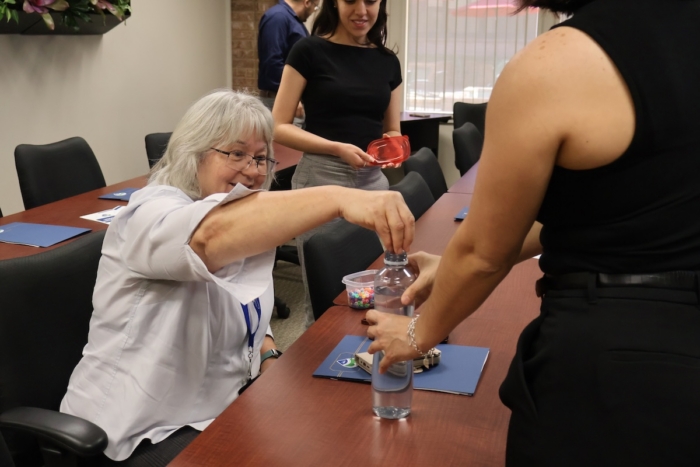
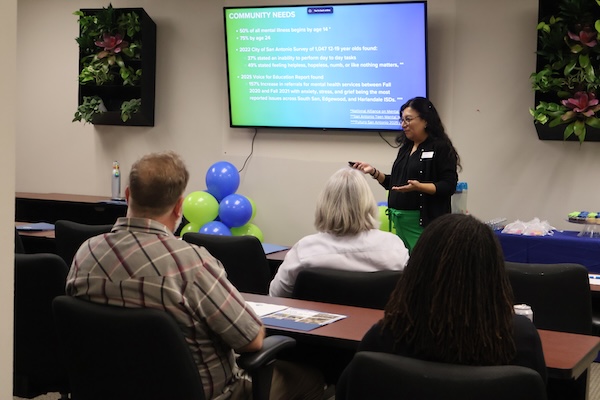
The NAMI Bridges to Care San Antonio (BTCSA) Adults for Teen Mental Health Program is designed for adults who support youth in any capacity.
Program Overview
The courses align with those taught in our Teen Mental Health Champion Program for students ages 12 to 18. The goal is to bridge the gap between adults and youth by equipping participants with the skills to engage in meaningful conversations about mental well-being.
-
Classes are designed to be taken in a sequence that builds on previous sessions. All participants must register for the BTCSA Orientation before enrolling in any core modules or electives. Upon completing a total of eight modules, adults will be certified as Youth Mental Health Champions.
-
This program is open to parents of teens, teachers, counselors, and anyone who works with youth.
Course Descriptions
To inquire about bringing this program to your school, organization, or faith community, please email: maria.h@nami-sat.org
-
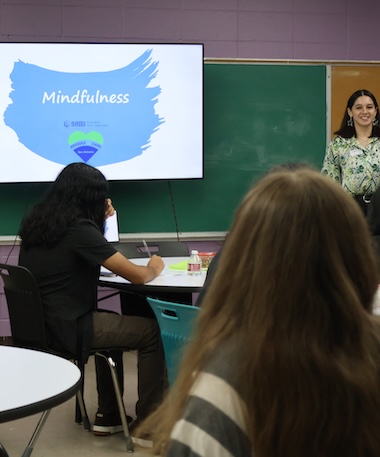
This session covers how stress can affect our mind and body, and how to cope with different emotions. Students will learn what it means to be mindful and take home some practical skills like grounding and breathing exercises.
-
Students will learn what it means to have boundaries and set them. Students will explore their values and morals and let those ideas guide them in setting appropriate and safe boundaries.
-
Students learn how to identify “red flags,” and how they can lead into unhealthy relationships. They will then discuss what is needed to build and maintain healthy relationships through communication, respect, and trust.
-
This session teaches students how to practice privacy online, avoid risky behaviors or scams, and take care of your mental health while online. Students also learn about cyberbullying, David’s Law, and what to do if they are attacked online.
-
Students will talk about how to deal with building stress, peer pressure and types of bullying. After, students will then learn how to address dating violence, understand self-harm, and how to talk about suicide.
