



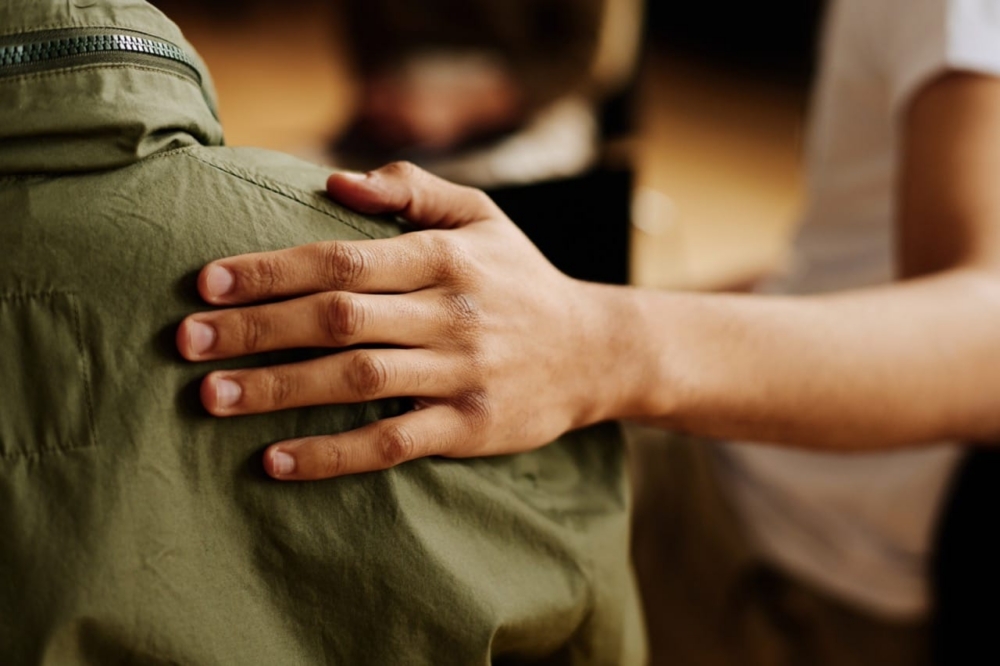
PTSD can be difficult to recognize because it does not always look the way people expect.
Some people may think of PTSD only as flashbacks or visible distress, but it can also show up as trouble sleeping, irritability, emotional numbness, difficulty concentrating, avoidance, or feeling constantly on edge. It can develop after many kinds of trauma, including abuse, sexual violence, a serious accident, a natural disaster, combat, or witnessing a traumatic event.
That is part of why support matters. Someone living with PTSD may not always have the words for what they are feeling, and the people around them may not realize trauma is affecting the way they cope, communicate, or move through daily life.
What PTSD Can Look Like
PTSD can affect people in different ways.
For some, it may include nightmares, intrusive memories, or flashbacks. For others, it may look more like withdrawing from people, avoiding certain situations, feeling easily startled, or struggling to relax. Some people may seem more reactive, shut down, or emotionally distant than usual.
In everyday life, PTSD may not always look dramatic. It can look like canceled plans, trouble sleeping, feeling overwhelmed, or pulling away from relationships.
PTSD vs. cPTSD
PTSD and cPTSD are related, but they are not exactly the same. PTSD is often understood through symptoms like re-experiencing trauma, avoidance, and feeling constantly on edge. cPTSD includes those symptoms too, but it can also affect emotional regulation, self-worth, and relationships.
| PTSD | cPTSD |
| Often linked to a traumatic event or a series of traumatic events | More often linked to repeated, prolonged, or inescapable trauma |
| May include nightmares, flashbacks, avoidance, and feeling on edge | Includes those same symptoms, plus deeper struggles with emotions, identity, and relationships |
| Can affect daily life, sleep, work, and relationships | Can also involve shame, guilt, difficulty trusting others, and a lasting negative sense of self |
| May be recognized through trauma-related symptoms that continue over time | May include a broader impact on how someone sees themselves and connects with others |
The most important thing to remember is that both PTSD and cPTSD are real trauma-related conditions, and both deserve care. You do not need to know the perfect label to recognize that someone may be struggling and respond with compassion.
Recognizing When Someone May Need Support
You do not need to diagnose someone to notice when something feels off.
A person may seem more withdrawn, more reactive, more anxious, or more emotionally shut down than usual. They may be having a hard time sleeping, focusing, or staying connected in relationships. You may notice that what they are carrying does not seem to be getting lighter with time.
Recognizing those changes can be an important first step. It can help you respond with more patience, ask more thoughtful questions, and remember that support may be needed even if someone is not saying so directly.
How to Respond with Care
One of the most helpful things you can do is respond with patience and steadiness.
That can look like:
- listening without pressure
- letting them know you are there
- being patient with changes in mood or routine
- encouraging support without forcing it
- helping with practical next steps if they ask
Sometimes support looks simple. It may mean checking in, offering to help find resources, or reminding someone they do not have to figure everything out alone.
It also helps to know what to avoid. Support is not about having the perfect words. It may not help to push someone to talk before they are ready, minimize what they are feeling, tell them they should be over it by now, or assume you know exactly what they need. Care tends to feel safer when it is calm, respectful, and free of judgment.
A More Supportive Way Forward
PTSD is treatable, and support can make a real difference. For some people, that may mean therapy, medication, or both. For others, the first step may be learning more, opening up to someone they trust, or reaching out for guidance.
Support matters for loved ones too. Caring for someone with PTSD can be emotionally heavy, and taking care of yourself can make it easier to show up with patience and care over time.
At NAMI Greater San Antonio, we know support can look different for everyone. Through support groups, mental health education, Bridges to Care, and the NAMI Bexar Warm Line, we help individuals and families find connection, resources, and encouragement when they need it most.
